


ALL ME Augmentation What is the
ALL ME Augmentation?
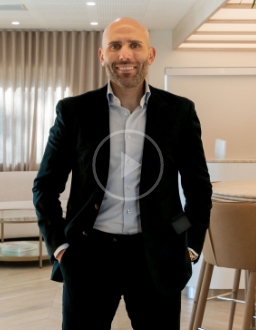
A/Prof Bish Soliman offers ‘no implant breast augmentation’ (mammoplasty) for patients seeking breast volume without implants. This new approach to breast surgery removes the risks of putting foreign materials into the body. It also targets the abdomen in addition to the breasts.
Breast surgery without implants, also called an ‘ALL ME Augmentation,’ uses only tissue from the patient’s own body. With advanced DIEP methods, plastic surgeon A/Prof Bish Soliman caters to the needs of his patients who desire more breast volume with only their natural tissue. He attends to quality, efficiency, and patient care, tailoring each procedure to the patient’s goals.
The process also involves an abdominoplasty. The patient’s excess tissue is moved from the abdomen to the breasts, altering different areas of the body at once.
ALL ME Augmentation Mammoplasty Who is a suitable candidate?
Patients may seek this procedure for different reasons. They may wish to increase their breast size, treat loose skin, or refine body contours. Since the procedure targets the abdomen and breasts, patients should already be seeking abdominal surgery.
The procedure may be good for:
- Post-pregnancy surgery – This may involve abdominoplasty, mastopexy (breast lift), and augmentation (mammoplasty)
- Surgery after implant complications – The removal of unwanted breast implants can be combined with this procedure
- Post weight loss surgery – Loose skin after weight loss can be treated with abdominal surgery. We can combine this with breast surgery techniques
Suitable patients are those seeking more breast volume and less abdominal tissue. They should also have enough tissue on the abdomen to make the procedure possible. If the patient is very slim with no excess skin or fat, then there will likely not be enough tissue to harvest for the breasts. Also, they should be healthy, non-smoking, and desire a surgery method that excludes implants.
Patients should be aware that all surgeries come with some risks, and suitable candidates are aware of both the pros and cons. These can be further explained in your private consultation in Sydney or North Shore.
ALL ME Augmentation Who is a candidate for
ALL ME Augmentation?
ALL ME Augmentation Common reasons for surgery
The surgery allows patients a more natural breast augmentation mammoplasty approach. It also targets different areas of the body at once. This removes the need for two healing phases from two separate surgeries. For these reasons, the procedure is often sought by women who desire to:
- Address breast volume and treat loose skin
- Remove loose skin and fat from the abdomen
- Treat a low breast position due to weight loss or breastfeeding
- Increase volume without a foreign substance (implants)
- Avoid the risks that come with implants
- Avoid the need for separate abdomen and breast surgeries
When patients get this procedure, they remove the need for implants and the risks associated with them. These can include capsular contracture, implant rupture, and the need for future removal surgery. Therefore, patients may choose ALL ME Augmentation who want to reduce the fat and tissue around the abdomen and increase breast size while making the most of their natural tissue.
ALL ME Augmentation Your personal consultation
The surgery process begins by speaking with A/Prof Bish Soliman. Choosing a plastic surgeon, like A/Prof Bish Soliman, who values your health and safety above all else is vital to your surgery. This is why you should do your research and choose one who has the proper skills and training.
The procedure involves several stages and is different from other breast or abdominal surgery methods. It requires a thorough discussion, during which you will speak about your goals and concerns and gain a surgical plan. Voicing your goals and needs will help us to provide tailored guidance when planning your surgery.
Book your private consultation with A/Prof Bish Soliman in Sydney or North Shore.
ALL ME Augmentation The Procedure
This procedure is called “ALL ME” surgery because it uses all-natural materials. In other words, the added tissue comes from the patient’s own body. The DIEP flap approach allows A/Prof Bish Soliman to remove abdominal skin and fat, which is then applied to the breasts. Using the patient’s body tissue instead of implants does away with the risk of implant issues. It also means patients won’t have to get implant removal surgery in the future.
The surgery involves a few processes, starting with general anaesthesia. A/Prof Bish Soliman performs surgery on the abdomen by making an incision and removing excess fat and skin. He then uses the excess tissue from the donor site and augments the breasts using the DIEP approach.
DIEP involves the use of skin, fat, and blood vessels to, in this case, augment the breasts. This is a microvascular breast augmentation surgery, which is A/Prof Bish Soliman’s area of specialty. It involves using a microscope and other tools to connect the blood vessels. When the surgery is complete, A/Prof Bish Soliman will close the incisions and apply dressings. Patients may need to stay in the hospital for three nights to monitor their healing before going home.
ALL ME Augmentation What is the difference between
ALL ME Augmentation and Fat Grafting?
ALL ME Augmentation Aftercare and Risks
Proper care is crucial to a good recovery and reducing the risks and side effects. We advise patients based on trusted evidence and research. He may advise you to get enough rest, but to begin moving around and walking as soon as you are able. Getting out of bed and moving your body helps blood flow, which can reduce risks and aid healing.
We may also advise you on how to take care of your incisions. You should keep the wounds clean and dry, and ensure that you wear the right support garments. Avoid any movements that could put a strain on your treated areas, such as lifting and exercise. Taking enough time off work is also important to help your healing.
ALL ME Augmentation Why choose Associate Professor Bish Soliman for ALL ME Augmentation Mammoplasty?
This surgery involves multiple steps and requires a high level of skill in both abdominal and breast surgery techniques. With his knowledge in microsurgery, A/Prof Bish Soliman is able to execute this multi-step procedure with the appropriate skill and care. He centres each surgery on the patient’s needs, with their unique goals in mind. For more details about this surgery and how it can be tailored for you, get in touch with our team in Sydney or North Shore.
Augmentation with Implants Frequently Asked Questions
What is ALL ME Augmentation?
ALL ME Augmentation is the practice’s name for breast augmentation that uses your own abdominal tissue rather than implants. Skin and fat are taken from the lower abdomen and transferred to the breasts as a DIEP flap, with the blood vessels reconnected under a microscope. The abdomen is closed as an abdominoplasty.
The DIEP technique itself is well established in breast reconstruction after mastectomy. Here it is applied to add breast volume in patients who also want abdominal tissue removed. A/Prof Bish Soliman is a Specialist Plastic and Reconstructive Surgeon in Sydney whose area of specialty is microsurgery. It is worth being clear about what this is. It is a major microsurgical operation rather than a gentler alternative to implants. It avoids implant-related problems and brings a different set of risks of its own.
How does it differ from breast augmentation with implants?
Scale is the bigger difference, not just what goes into the breast. Implant surgery is shorter, involves a single surgical site and has a quicker recovery. Moving your own tissue means no foreign material in the body, so nothing implant-specific can go wrong, but you are taking on microsurgery, a second wound on the abdomen and a much longer recovery.
Implants come with their own well-recognised problems. Capsular contracture, rupture and the likelihood of removal or replacement somewhere down the track are all part of the picture, and none of that applies if there is no implant. In its place sits the risk profile of free tissue transfer. The transferred tissue lives on blood vessels that can block off, the abdomen becomes a second wound, and both the hospital stay and the time away from work stretch out considerably. Neither path is risk-free. You are choosing between two sets of risks, not between a risky option and a safe one, and both sets should be put in front of you before you decide.
How does it differ from fat transfer (fat grafting)?
With fat grafting, fat is harvested by liposuction and injected into the breast, where it has to survive on whatever blood supply the surrounding tissue can give it. A DIEP transfer is different. It moves a block of tissue that brings its own artery and vein, reconnected under a microscope. Grafting is by far the smaller procedure, though it usually adds less volume.
Some of the grafted fat is reabsorbed, and how much survives varies from patient to patient, which is why volume is often built up over more than one session. Tissue moved with its own blood supply behaves differently and does not reabsorb in that way. On the other side of the ledger, fat grafting involves no microsurgery, no abdominal donor site, and a far shorter recovery. What suits you comes down to the volume you want, the donor tissue you have available and how much surgery you are willing to go through. Treat it as a real comparison. The bigger operation is not automatically the better one.
Who is a suitable candidate?
Two things need to line up: enough spare tissue on the lower abdomen for the transfer to work, and a genuine wish for abdominal surgery in its own right. Very slim patients with little excess skin or fat usually do not have enough to harvest. General health and smoking status weigh in as well.
The patients who tend to look at this pathway are those wanting post-pregnancy surgery, those having unwanted implants taken out who still want volume in the breast, and those left with loose abdominal skin after weight loss. Bring up previous abdominal surgery, any plan for a future pregnancy, smoking, diabetes and any clotting disorder early, because each of them affects suitability. Keep in mind too that the abdomen can be used once only, so this is not surgery you can repeat later if you change your mind about size. Whether there is enough donor tissue is something that has to be assessed in person, not online.
What does the operation involve, and how long will I be in hospital?
The surgery is done under general anaesthetic and runs in stages. An incision goes across the lower abdomen, excess skin and fat come away, and that tissue is then transferred to the breasts with its blood vessels reconnected under a microscope. A stay of around three nights in hospital may be needed.
Because of the microsurgery, the operation takes considerably longer than implant surgery. Afterwards the transferred tissue is watched closely. Blood vessel problems tend to declare themselves in the first 48 to 72 hours, and that monitoring is precisely why you stay in. Getting up and walking early is encouraged as soon as you are able, since it helps blood flow and lowers the risk of clots. Two useful questions before the day: how long is my operation expected to take, and what monitoring will be in place afterwards?
What are the risks?
This is major surgery and the risks are significant. Broadly they sit in three groups: risks to the transferred tissue, risks at the abdominal donor site, and the general risks that come with a long operation under anaesthetic, blood clots among them. Every one of these should be gone through with you individually before you consent.
It helps to see the published figures. Abdominal bulging after a DIEP flap is reported in about 2 to 33 per cent of cases, hernia in up to about 7 per cent. Wound breakdown, seroma, haematoma, infection, fat necrosis and trouble around the navel all show up in the same studies. Clots are counted on their own. In autologous breast reconstruction, venous thromboembolism is reported at about 0.1 to 4 per cent; in abdominoplasty, 0.35 to 5 per cent. Longer and combined operations push that higher. Part or all of the transferred tissue can be lost as well. None of these figures forecasts your result. They are ranges pooled across many centres and many groups of patients, and where you sit depends on your health, your weight, whether you smoke and your anatomy.
What happens if the transferred tissue fails?
Occasionally the blood supply to the transferred tissue fails. Caught early, a return to theatre may rescue it. If it cannot be salvaged, the tissue is lost and the breast volume goes with it, and further surgery would be needed to deal with the result.
That is the whole reason the first few days are spent under close observation instead of at home. Vessel problems usually show up inside the first 48 to 72 hours, which is when salvage stands the best chance. Losing a flap does not normally leave the abdomen available for a second attempt, since the donor tissue has already been taken. Put the question directly to your surgeon: what happens in that situation, what are the alternatives, and what would it mean financially? It is a fair question and any surgeon should be willing to talk it through plainly.
What scars will I have?
There will be permanent scars, and in more than one place: a long horizontal scar across the lower abdomen, a scar around the navel, and scars on the breasts. The abdominal one typically runs hip to hip, placed low enough in most cases to sit under underwear.
Scarring is more extensive than with implant augmentation, where the incisions stay on the breast. Scars generally look their worst in the first few weeks, then flatten and fade over the following months, and most keep changing for somewhere around 12 to 18 months. Keeping wounds clean, protecting healing scars from the sun and sticking to your wound care instructions all make a difference. Before the day, ask to see the planned incisions marked out, so the extent is clear to you in advance instead of a surprise afterwards.
How long does recovery take?
Recovery runs substantially longer than after implant surgery. Once you are home from the inpatient stay, expect several weeks before normal activity resumes, with restrictions on lifting, exercise and anything that strains the abdomen. Remember that two surgical sites are healing at once.
Aftercare usually means keeping wounds clean and dry, wearing the support garments you are given, avoiding lifting and strenuous activity, and taking proper time off work. Walking early is encouraged, not discouraged, because movement helps blood flow and lowers clot risk. Abdominal tightness and altered sensation across the lower abdomen are common in the early weeks. Arrange help at home for the first week in particular, and ask for written timelines specific to your procedure covering driving, lifting, work and exercise instead of general figures.
Will my results change if my weight changes?
Yes. What has been transferred is living fat, and it behaves like the rest of your body. Gain or lose a significant amount of weight afterwards and breast volume can go up or down with it. A stable weight gives the most predictable long-term result.
Implants do not work that way. They hold their volume whatever the rest of the body is doing. Some patients like the responsiveness of their own tissue, because the breast moves with them instead of staying fixed. Others find it harder to predict than they had imagined. Pregnancy and ageing go on affecting the breasts afterwards in any case. If significant weight loss or a pregnancy is on the cards, say so before surgery, since timing can matter more than technique.
Is ALL ME Augmentation covered by Medicare?
Generally not, where the purpose is to improve appearance. The Medicare items covering abdominal flap breast reconstruction are written for reconstruction after mastectomy, not augmentation for appearance, and the abdominoplasty items carry their own specific clinical criteria that have to be met on their own terms.
That said, some patients on this pathway do have circumstances that attract a rebate. Implants being removed for a recognised clinical reason is one example; abdominal surgery that meets the criteria of a relevant item is another. Eligibility is assessed against the wording of each item and your individual circumstances, and it is never assumed from the name of the procedure. Because this operation combines elements, more than one item may need to be considered separately. Find out which items, if any, are being claimed, and get a written estimate covering the surgeon, assistant, anaesthetist and hospital before you commit.
Does the seven-day cooling-off period apply, and do I need a referral?
Where this surgery is performed to improve appearance, it is cosmetic surgery and the Medical Board of Australia’s cosmetic surgery guidelines apply, including a cooling-off period of at least seven days after informed consent before the surgery can be booked or a deposit paid. A GP referral is essential in any case.
The accompanying requirements are a referral from an independent medical practitioner, at least two pre-operative consultations with one of them in person with the surgeon who will operate, and assessment for psychological conditions using a validated screening tool. Patients under 18 require independent evaluation and a cooling-off period of at least three months. Where the surgery is genuinely reconstructive, for instance as part of managing an implant complication, the position differs. Given the scale of this operation, taking more time than the seven-day minimum and asking for a further consultation is entirely reasonable.
Important information
The information on this page is general in nature and is provided for educational purposes only. It is not medical advice and should not be relied on in place of a consultation with a suitably qualified medical practitioner.
This is major surgery. It involves microsurgical transfer of living tissue and a second surgical site on the abdomen, and it carries risks including partial or complete loss of the transferred tissue, abdominal wall complications such as bulging and hernia, wound healing problems, infection, bleeding, blood clots including deep vein thrombosis and pulmonary embolism, altered sensation, asymmetry or an unsatisfactory result, complications of prolonged general anaesthesia, and the possible need for further surgery. Using your own tissue avoids implant-related complications; it does not make the operation free of risk, and the overall risk profile differs from that of implant surgery rather than being lower in every respect.
Complication rates quoted here are published ranges drawn from studies of DIEP flap breast reconstruction and abdominoplasty across many centres and patient groups. They are not a prediction of your individual result and are not this practice’s own outcome data. The risks, benefits, alternatives and likely outcomes that apply to your circumstances will be discussed with you at consultation, and you will have time to consider them before deciding whether to proceed.
Recovery times and hospital stay described here are general figures. Results vary between patients and change over time with weight change, pregnancy and ageing, and no particular breast size, shape or longevity of result can be promised. Medicare eligibility is assessed against the wording of the relevant item numbers and your clinical circumstances, and is never automatic. References to Medicare reflect the schedule as at the date below and are subject to change.
Where this surgery is performed only for cosmetic or aesthetic reasons, the Medical Board of Australia’s cosmetic surgery guidelines apply, including the requirements for an independent referral, at least two pre-operative consultations, psychological screening and a cooling-off period of at least seven days before booking or paying a deposit. Additional requirements apply to patients under 18. A GP referral is required before you can consult A/Prof Bish Soliman. You will be given a written estimate of costs, including fees charged by the anaesthetist, assistant surgeon and hospital, before you commit to surgery.
A/Prof Bish Soliman, MBBS (Hons 1), MS (Plastic Surgery), FRACS (Plastic Surgery). AHPRA registered medical practitioner MED 0001679053, with specialist registration in plastic surgery.
Last reviewed: September 2026.


